Ramp adds stablecoin payments and accounts with Stripe
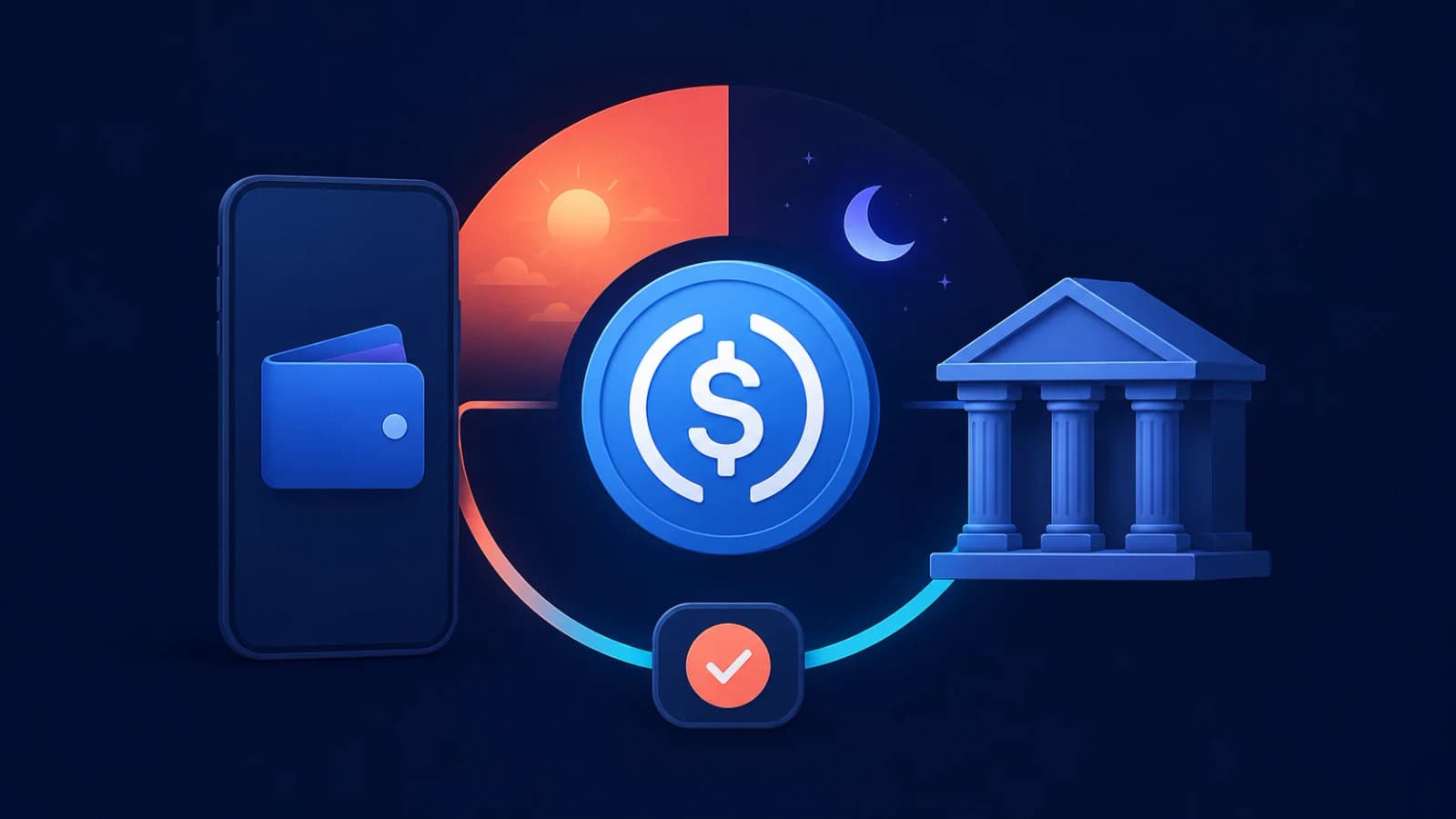
Ramp’s July 2026 announcements introduce two uses for stablecoins: paying bills from dollar funds and holding stablecoin balances in a separate account. Stripe companies provide the conversion, custody and wallet infrastructure. Both products use dollar-denominated interfaces, but their functions and terms differ.
Bill payments and account balances
Ramp Bill Pay now offers stablecoins as a payment method. A business can fund an eligible bill from Ramp Checking or an external bank account even when it does not hold crypto. Stripe's Bridge orchestration platform converts the dollars and sends USDC or USDT to the recipient's wallet. The business funds this payment from its bank balance; it does not need a stablecoin account. Availability, recipient wallet support, compliance checks and any applicable international-payment charges still shape the experience, even though the transfer can move outside normal banking hours.
The separate Ramp Stablecoin Account lets eligible businesses hold supported stablecoins alongside their other Ramp balances and use them for card statements, bills, vendor payments or reimbursements. Ramp presents stablecoin and fiat balances in dollars and connects transactions to existing approval and accounting workflows. The company announced rewards of up to 3.25% on eligible balances, but the rate is variable, activity criteria apply and rewards are a promotional incentive—not interest, yield or a return on investment. The account is not the same product as choosing stablecoin delivery in Bill Pay.
Bridge and Privy’s roles
Bridge provides the orchestration used to convert a dollar-funded Bill Pay transaction and deliver stablecoins to the recipient. For Stablecoin Accounts, Ramp's disclosures say custody is provided by Bridge Building Inc. and affiliates under separate terms. Stripe's announcement also identifies Privy as the crypto wallet infrastructure that securely stores customer balances as US dollar-denominated stablecoins. Bridge handles conversion and custody, while Privy supplies the wallet infrastructure. Ramp itself is neither a bank nor a digital-asset custodian.
Finance teams see balances in dollars. Users can work with one balance view, established approval policies and accounting reconciliation while the software handles wallet and network steps. Stablecoin payments and balances can therefore sit within the team’s existing accounts-payable processes. It can reduce operational friction, but statements such as instant or 24/7 describe the supported rail, not a guarantee that every funding source, review, conversion, network and recipient will complete without delay.
Eligibility, fees and asset risk
Ramp states that Stablecoin Accounts are available only to eligible customers and that stablecoin balances are not bank deposits, are not money and are not protected by FDIC, SIPC or other government-backed insurance. Digital assets remain exposed to market and protocol risk, while international payments may carry fees and legal restrictions. Businesses need to read the terms for custody and transfers, even when the balance display resembles an ordinary cash account.