Visa network tokens enter card-deposit pilot
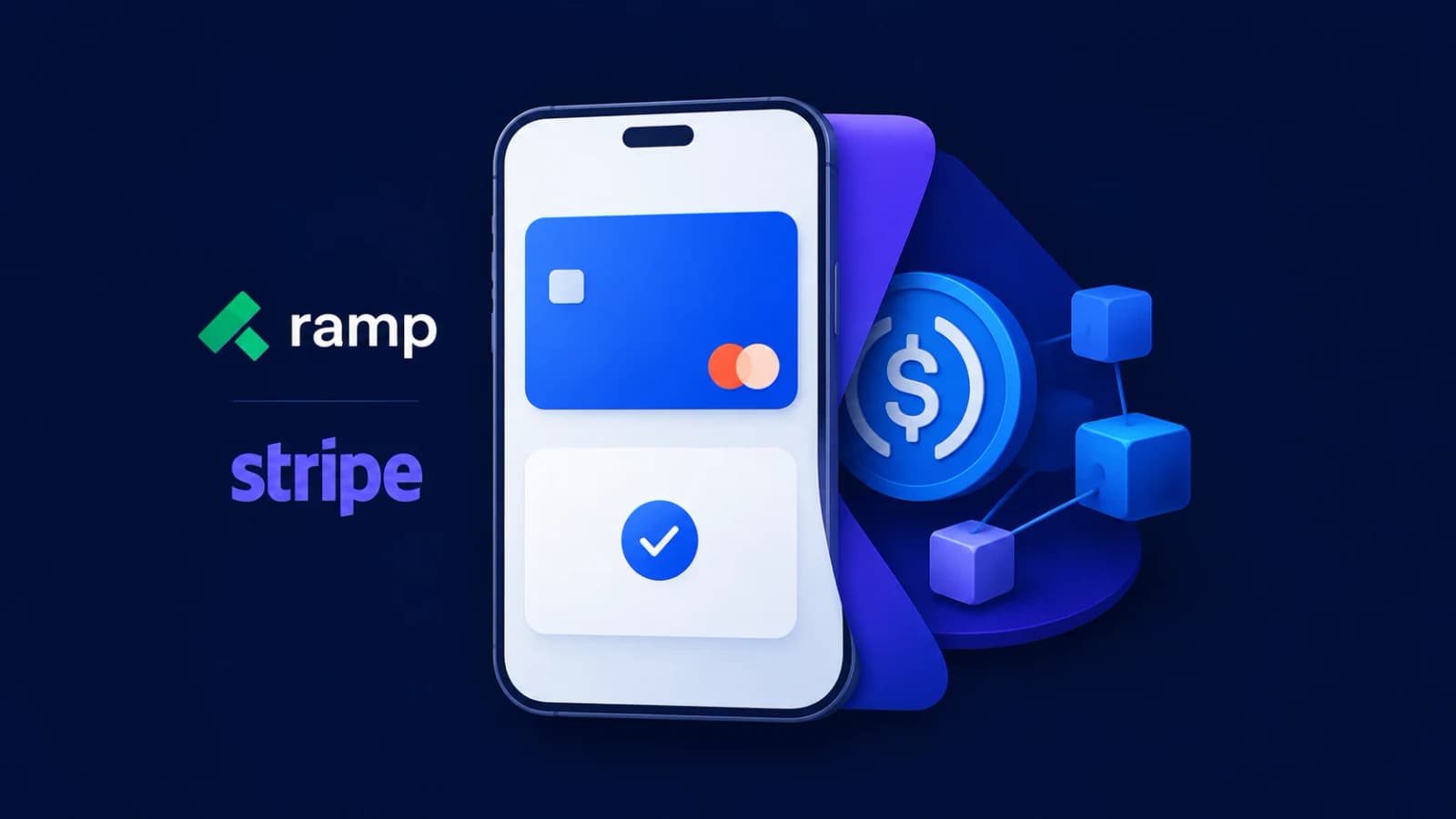
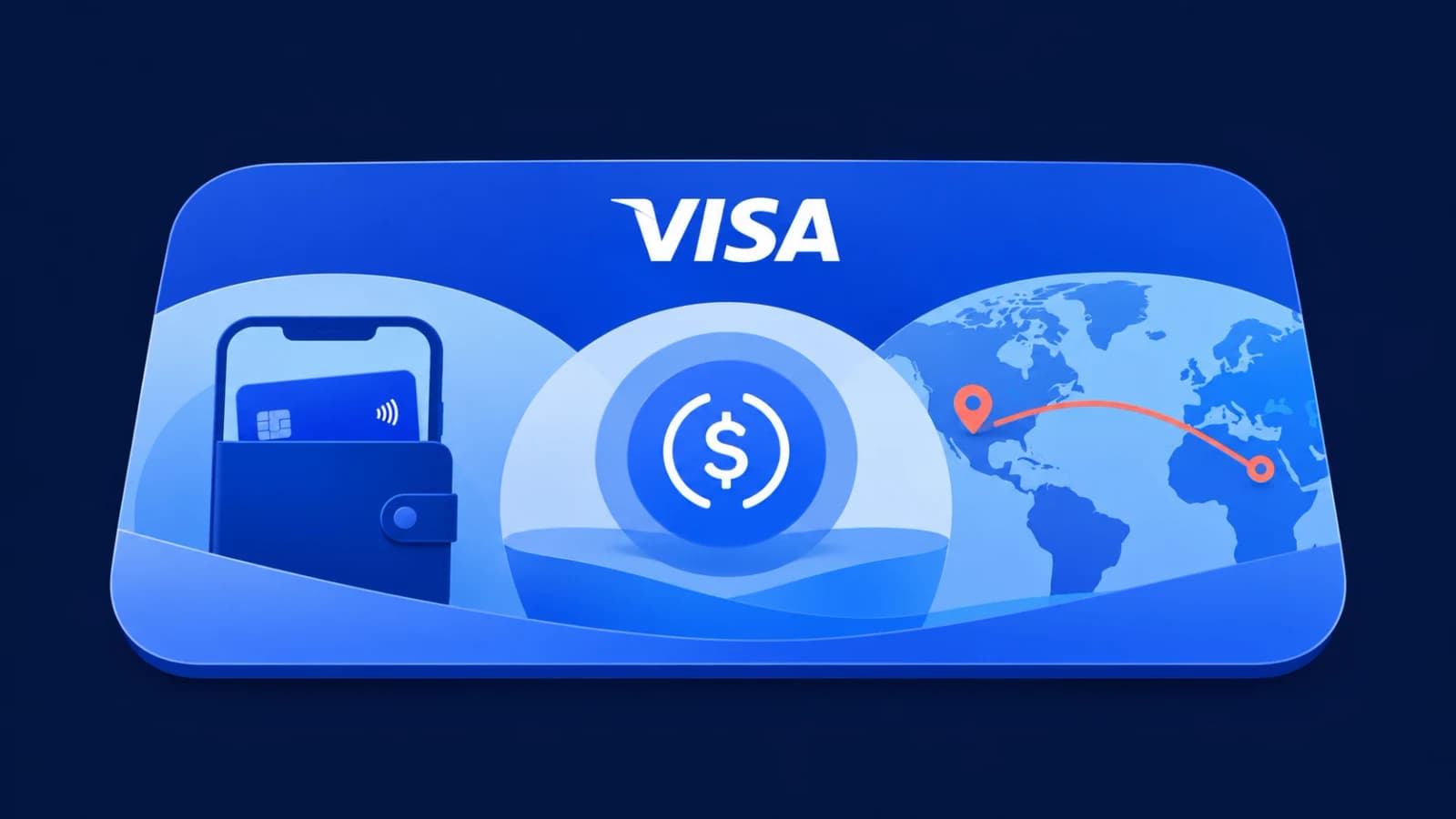
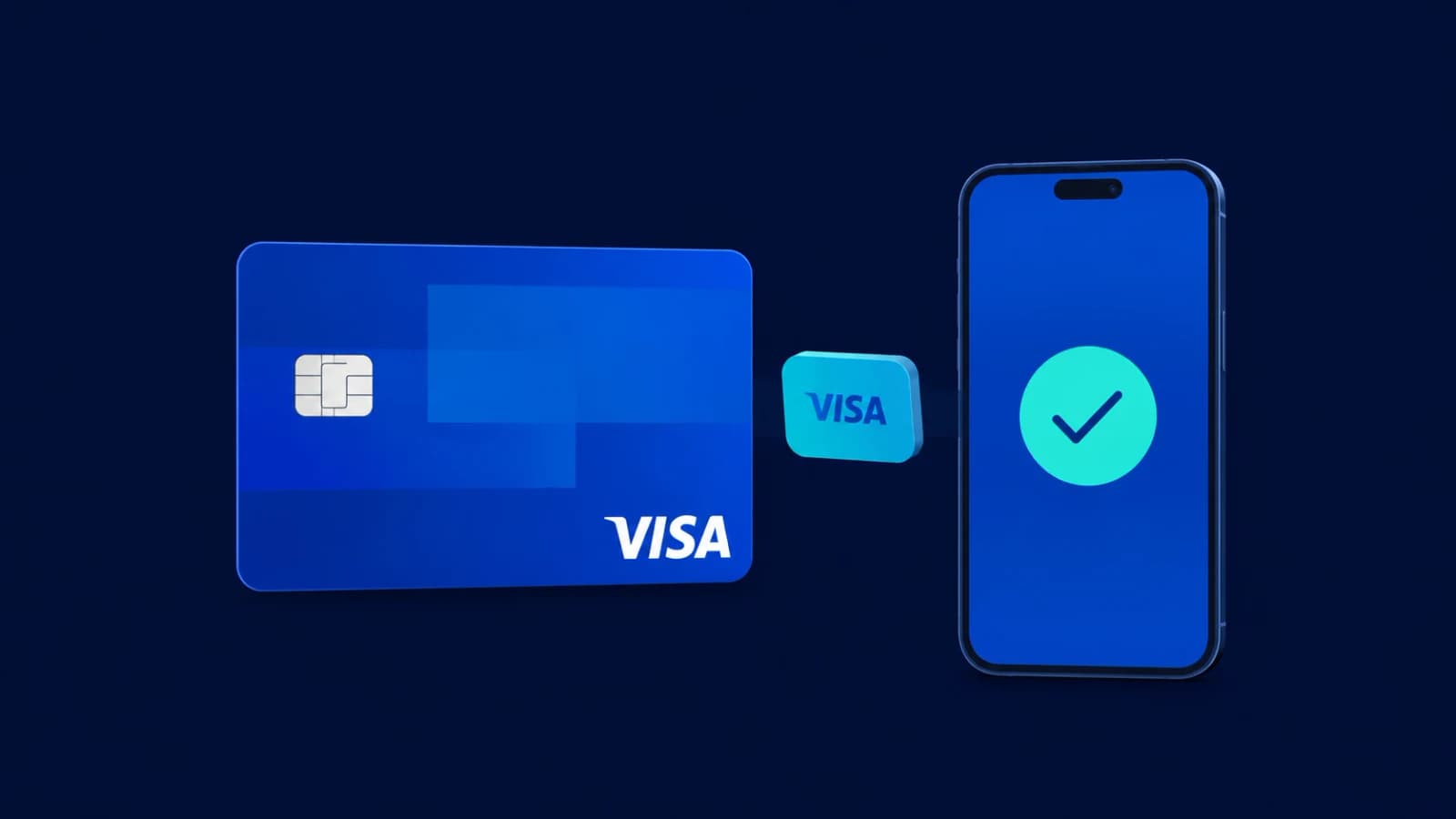
Bibkins-neon is piloting tokenized card deposits with Visa. In supported transactions, a Visa network token represents the card between the cashier, payment processor and issuer, reducing how often the card number needs to pass between systems. The deposit flow remains familiar to players.
How the token works
A network token is a payment credential that stands in for the primary account number on a card. It can be associated with a particular merchant relationship and managed through its own lifecycle, limiting the value of the token outside the context for which it was issued. When an issuer renews, replaces or suspends a card, the token service may update or deactivate the related credential without asking the player to type the new number into every supported flow. This can prevent deposits from failing solely because a card has been replaced.
The pilot starts with eligible cards, accounts, regions and participating Visa routes. During enrollment or a first tokenized deposit, a player may still need to provide card details and complete authentication required by the issuer. The cashier then requests the token through approved payment partners and uses it on later supported deposits. If a card, issuer or device is not eligible, the standard card route may remain available. Tokenization changes credential handling; it does not change which payment methods a player is allowed to use.
Approval and account checks
A tokenized authorization can carry token-specific security data and a cryptogram created for the transaction. The issuer can assess that data alongside the token's history and its connection to bibkins-neon.store. This may help it distinguish a returning player from someone using copied credentials and reduce unnecessary declines. It cannot guarantee approval: the issuer still decides, and available balance, card status, authentication requirements, local rules and the issuer's own risk policy continue to apply.
Bibkins-neon also continues its account, deposit and transaction checks before value is credited. Deposit limits, velocity controls, identity checks and responsible-play safeguards are not bypassed because a token is present. A deposit may be declined, paused or sent for review when the account or payment needs attention. The cashier will show the deposit status, and players should respond only through the secure account flow if more information is required.
Card data and payment protections
Where the route supports it, processors can use the token instead of repeatedly passing the underlying card number, reducing the number of systems that need the primary credential. Tokens and transaction data still require strong access controls, encryption and monitoring, and payment risks remain. Refunds, reversals, disputes and cardholder protections continue through the applicable issuer and network processes. During the pilot we will compare approval quality, lifecycle updates, support contacts and fraud signals before expanding coverage, while clearly showing when a deposit uses the standard card route instead.