Bibkins-neon rolls out Fraud Shield
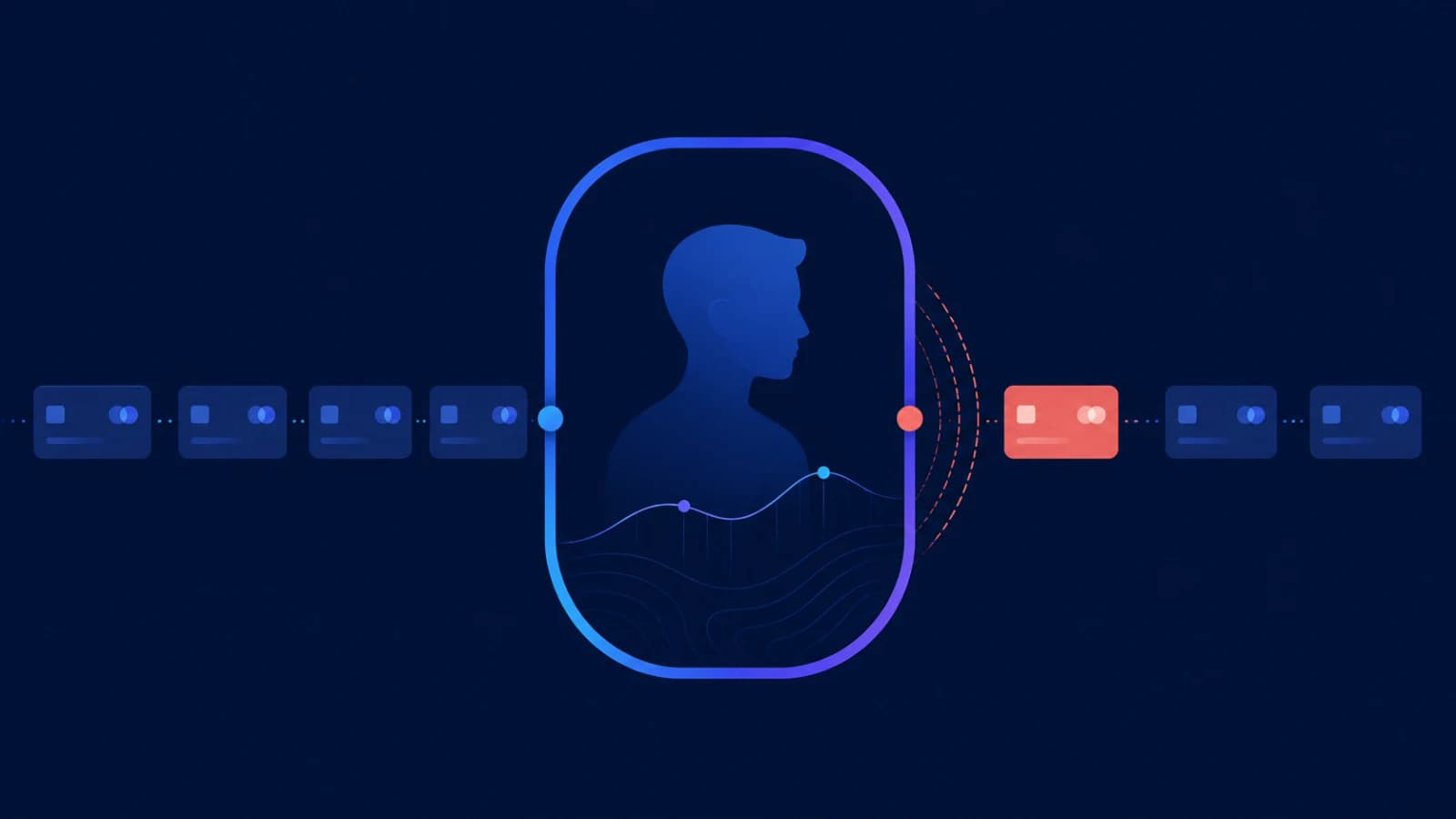
Bibkins-neon is rolling out Fraud Shield to assess session and payment signals before sensitive actions. Depending on the findings, it can allow the action, request an additional check or refer the case for review. Support teams receive an explanation of interventions, and people can review disputed decisions.
Session signals and checks
The shield compares signals such as a device change, unusual session velocity and whether a payment fits the account’s recent pattern. No single difference automatically proves fraud. A player may replace a phone, travel, use a new network or choose a different payment method for ordinary reasons. The system therefore reads changes together and weighs how far the session has moved from familiar activity. A session consistent with the account’s usual activity can continue without an extra check.
If the pattern needs confirmation, a step-up check appears before the sensitive action completes. The check is matched to the question the system is trying to resolve, so the player is not asked to repeat unrelated steps. A clearly risky attempt can be paused. Mixed signals can go to a reviewer before a lasting account decision is made. The response depends on the combination of signals.
Reviewing interventions
Each intervention records the category of signal, the action taken and the point in the journey where it occurred. Support agents see a plain-language reason rather than a raw model output, along with the account events needed to understand the sequence. The explanation avoids revealing controls that could help someone bypass them, but it provides enough context to answer a legitimate player. Consistent records also let the fraud team compare similar cases and find a rule that is creating unnecessary interruptions.
Uncertain cases can move to trained reviewers, and account decisions retain an appeal path. A reviewer can examine the available payment and security history, confirm whether requested checks were completed and correct an outcome when the evidence supports it. Automated signals assist that work; they do not remove human responsibility for consequential or disputed cases. Feedback from completed reviews returns to the operating team so recurring false positives, confusing prompts and gaps in support guidance can be investigated.
Data use and rollout
The Fraud Shield does not read private messages and Bibkins-neon does not sell the behavioral data used for this protection. Access to relevant signals is limited to security, fraud and support purposes, with retention and review governed by the platform’s controls. The rollout is being staged so teams can monitor challenge rates, reversals and player reports before expanding coverage. The system cannot stop every fraudulent attempt. After launch, teams will continue adjusting signals and reviewing recovery steps and intervention records. Players who receive a check will see what action is required and where to ask for help.